

Meeting someone you think of as a twin flame may feel surprising, familiar or deeply meaningful. You may notice renewed curiosity, affection or a different way of seeing your life. You are allowed to value those feelings without needing them to establish a guaranteed future.
A spiritual interpretation cannot tell you that the other person is safe, available or ready for the same relationship. Consider the meaning you give the connection alongside what you learn about each other over time.
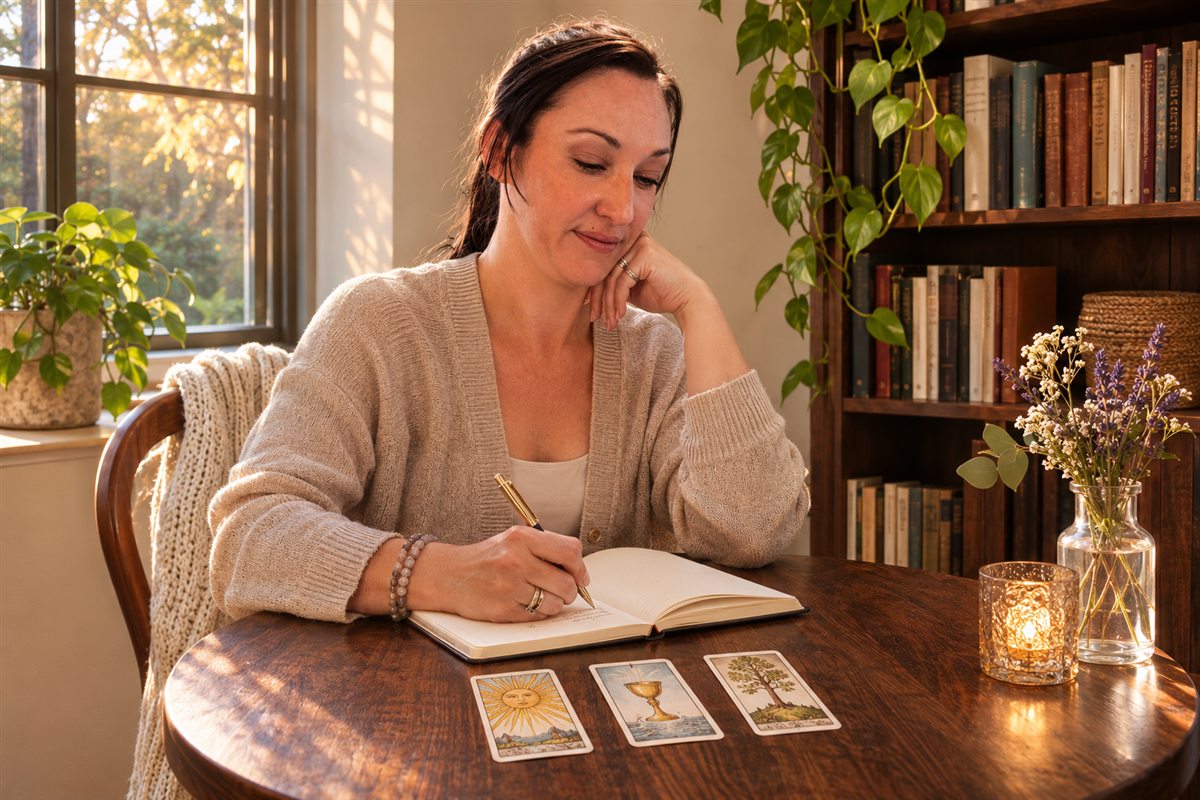
Notice what feels different without predicting the outcome
You might feel understood in a conversation, excited by a shared interest or more willing to express something important. Name that particular experience rather than deciding that every part of your future has fallen into place.
Ask what you actually know and what you are hoping for. For example, an enjoyable meeting tells you that you enjoyed the meeting. Whether there will be another one, or a relationship, still depends on both people’s wishes and circumstances. You can be interested while leaving those questions open.
Look for care in ordinary interactions
Warmth and attraction can be welcome, but the everyday details matter too. Does the person listen when you disagree, respect your time and respond to a limit without pressure? Are they clear about what they can offer?
You do not need an audience to recognise or admire your connection. Friends may have different impressions, and private affection does not need to become a public demonstration. Consider specific concerns they raise without treating approval or disapproval as proof of a spiritual label.
Keep passion separate from obligation
Strong chemistry does not require immediate disclosure, exclusivity, sex or a major commitment. You can slow down, keep information private or decide that you do not want a particular kind of closeness. The same freedom belongs to the other person.
If interest is not mutual, the intensity of your feelings does not make repeated pursuit welcome. Respect an answer or request for space. You can experience something as significant without needing the person to participate in your interpretation.
Let support come from more than one place
A considerate relationship may offer comfort and encouragement. It does not guarantee emotional healing or make either person responsible for resolving the other’s past. You do not have to share painful experiences before you feel ready.
Keep room for support outside the connection, whether that is a trusted friend, a community or professional help you choose. Consider what kind of support is useful now. A partner can care about you without having the capacity or role to meet every need.
Keep your purpose and interests your own
Someone may introduce you to an idea, encourage a plan or remind you of something you enjoy. Notice what you would still want to explore if the relationship changed. Your interests do not need to depend on a promised shared destiny.
You might try a small activity, revisit a goal or make time for something familiar. Choose a step that suits your resources and energy. Shared projects are optional, and neither person should have to abandon their own values to keep the connection meaningful.
Leave room for acceptance, limits and change
Feeling accepted can be valuable. It is different from being expected to agree with everything, tolerate harm or ignore a boundary. You can appreciate a connection while deciding that particular behaviours or arrangements do not work for you.
Check in about what you both want now, and allow the answer to change. The relationship may deepen, become a friendship or end. You do not have to rank it above every other kind of bond to acknowledge what it has meant in your life.
Let a spiritual interpretation and an everyday agreement have their own place
If a connection feels unusually significant, think about what that experience means to you. Then look at a practical question you both have a say in, such as how you make plans and what you do when one person needs a quiet week.
You can share your beliefs in your own words and hear how the other person understands the connection. Give each agreement its own answer and keep the parts of your life you want outside it.
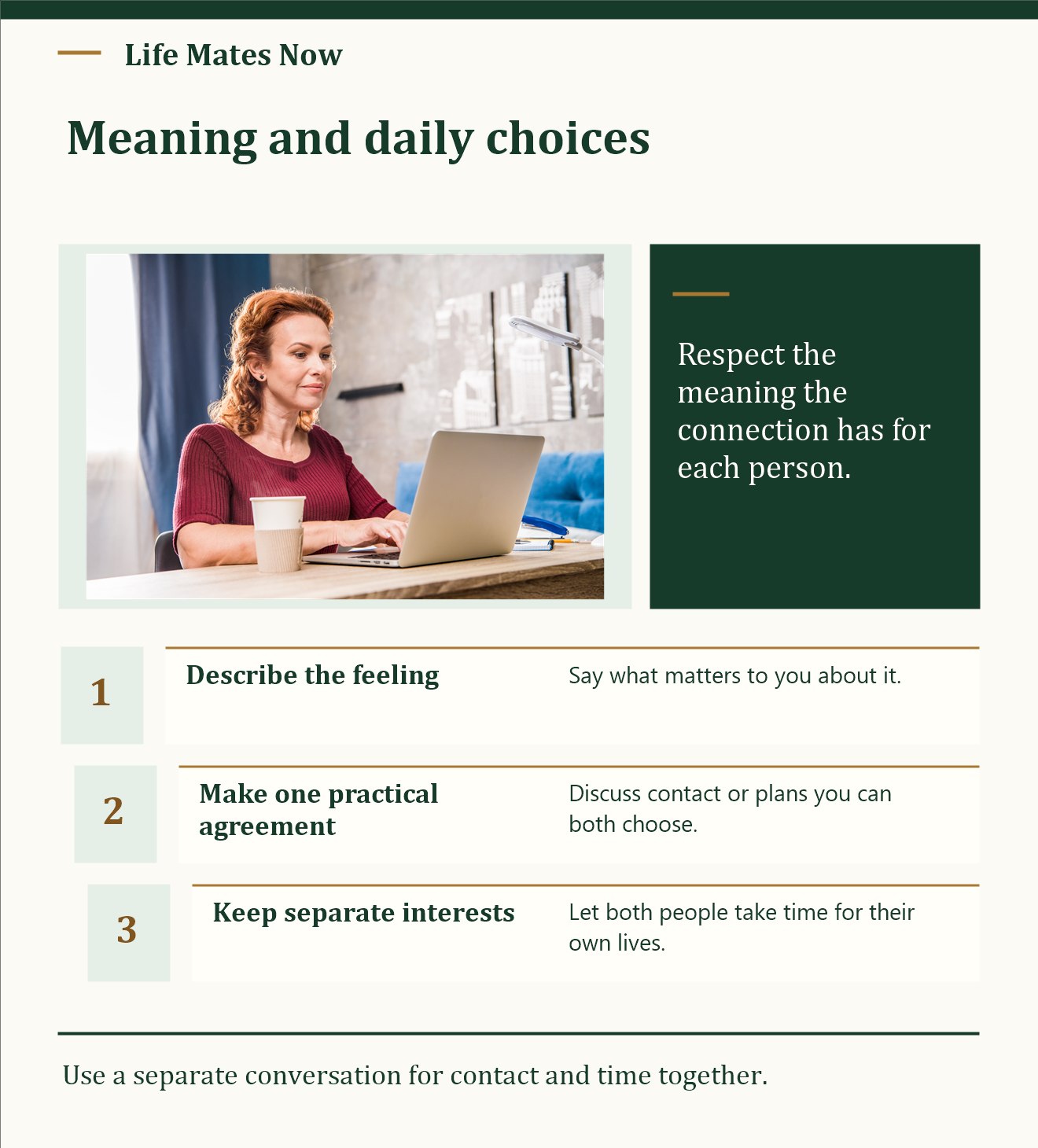
Read the infographic in text
Meaning and daily choices
Respect the meaning the connection has for each person.
- Describe the feeling Say what matters to you about it.
- Make one practical agreement Discuss contact or plans you can both choose.
- Keep separate interests Let both people take time for their own lives.
Use a separate conversation for contact and time together.